

Household pests are a common problem in homes around the world, regardless of cleanliness or location. They enter in search of food, water, and shelter, and once established, they can be difficult to remove. The key to preventing serious infestations is early identification. Recognizing pests in their initial stages allows homeowners to act quickly before the problem spreads.
Different pests leave different clues behind. Some are easy to spot, while others remain hidden for long periods. Understanding these signs can help you detect issues early and avoid costly damage or health risks.
Why Early Identification Matters
Most pests reproduce quickly. A small problem can grow into a large infestation in a matter of weeks or months. For example, a single pair of insects can produce hundreds or even thousands of offspring under the right conditions.
Early detection helps reduce:
- Structural damage to homes
- Contamination of food
- Health risks from bites or allergens
- Costly professional treatments later
The earlier you notice a pest problem, the easier it is to control.
1. Ants
Ants are one of the most common household pests and are often the first sign of an infestation. They usually enter homes in search of food, especially sugary or greasy substances.
Early Signs:
- Small lines of ants near kitchen counters or floors
- Trails leading to food sources
- Tiny piles of dirt near cracks or walls
- Occasional sightings that become more frequent over time
Ant colonies can be located inside walls, under floors, or outside near foundations. If you see repeated ant activity in the same area, it usually means a larger colony is nearby.
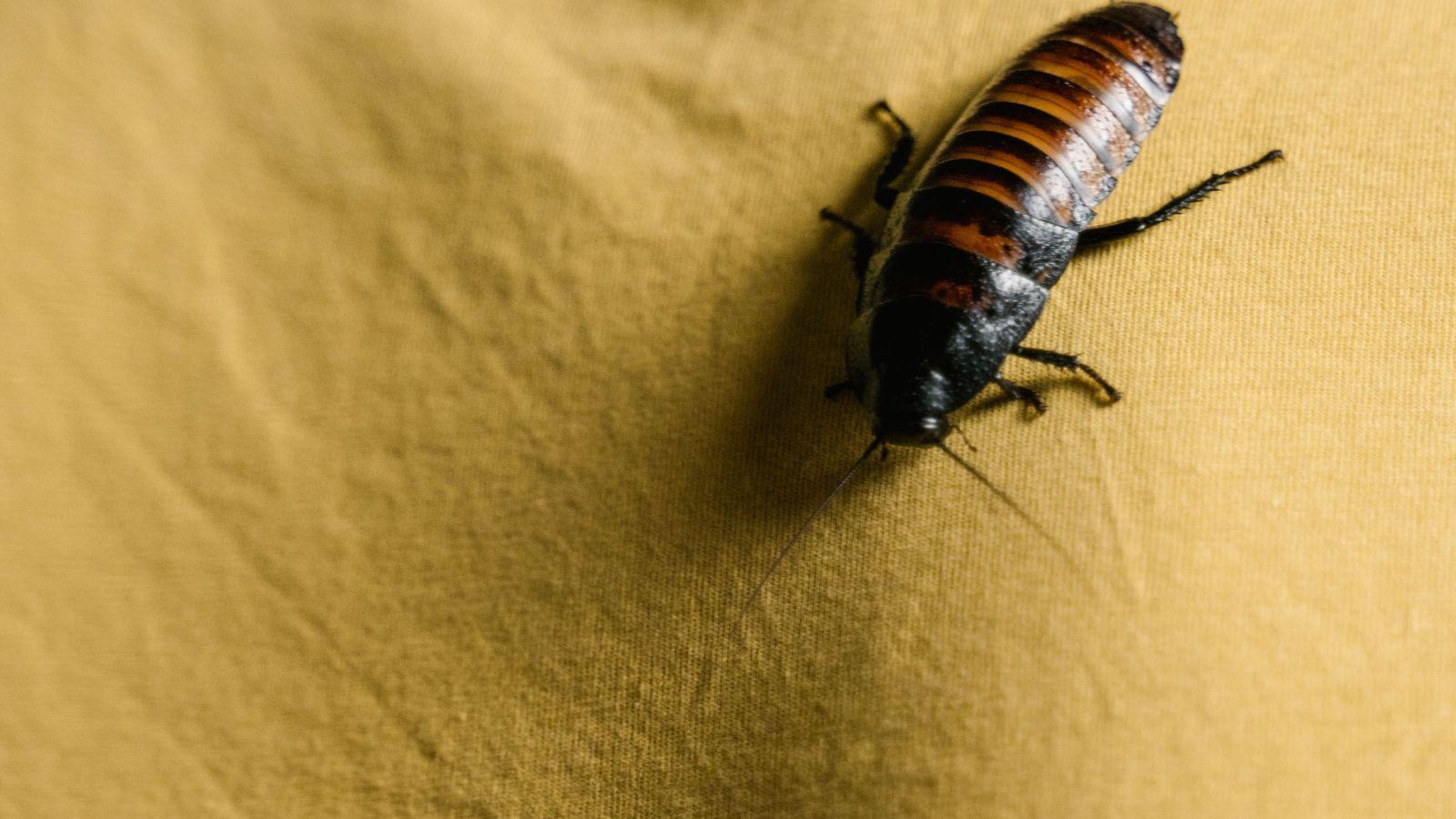
2. Cockroaches
Cockroaches are nocturnal pests that prefer dark, warm, and moist environments. They are highly resilient and can survive in very small spaces.
Early Signs:
- Seeing one cockroach during the day (often a sign of a larger infestation)
- Droppings that resemble black pepper or coffee grounds
- Musty or oily odor in hidden areas
- Egg cases (small brown capsules) in cabinets or behind appliances
Cockroaches often hide in kitchens, bathrooms, and behind refrigerators or stoves.
3. Termites
Termites are among the most destructive household pests because they feed on wood. They often go unnoticed until significant damage has already occurred.
Early Signs:
- Hollow-sounding wood when tapped
- Small piles of sawdust-like material (frass)
- Mud tubes along walls or foundations
- Discarded wings near windows or doors
Because termites work inside wood structures, visible signs may appear only after long-term infestation.
4. Bed Bugs
Bed bugs are small, flat insects that feed on human blood, usually at night. They are excellent at hiding and often spread through travel or used furniture.
Early Signs:
- Small red bite marks on skin, often in clusters or lines
- Tiny dark spots on bedding (blood or waste)
- Shed skins near mattress seams
- Musty odor in heavily infested areas
Bed bugs are commonly found in mattresses, bed frames, headboards, and upholstered furniture.
5. Rodents (Mice and Rats)
Rodents are highly adaptable and can enter homes through very small openings. They are known for chewing wires, food packaging, and even structural materials.
Early Signs:
- Droppings near food sources or walls
- Scratching or scurrying sounds in walls or ceilings
- Chewed packaging or wires
- Nests made from paper or fabric materials
Rodents are most active at night, so signs are often indirect.
6. Flies
Flies reproduce quickly and are usually attracted to food waste, garbage, and decaying organic matter.
Early Signs:
- Frequent flies near kitchen or trash areas
- Maggots in garbage bins or drains
- Fruit flies around overripe produce
- Increased activity near windows or lights
Even a small amount of exposed food waste can attract large numbers of flies.
7. Spiders
Spiders are generally not harmful, but they can indicate the presence of other insects, which serve as their food source.
Early Signs:
- Webs in corners, ceilings, or basements
- Increased sightings in undisturbed areas
- Egg sacs in hidden spots
- Presence of other small insects indoors
A rise in spider activity often signals a larger insect population.
In recent years, eco-friendly pest control approaches have become more popular, especially for homeowners who want to manage pests while minimizing environmental impact and reducing the use of harsh chemicals indoors.
How to Spot Pest Problems Early
Early detection depends on observation and routine checks. Some simple habits can make a big difference:
- Inspect kitchens and bathrooms regularly
- Check for cracks or entry points around doors and windows
- Look behind appliances and furniture periodically
- Monitor food storage areas for signs of contamination
- Pay attention to unusual sounds or smells
Even small changes in your home environment can signal pest activity.
When to Take Action
If you notice repeated signs of pests, it is important to act quickly. Early-stage infestations are much easier to control than fully established colonies or nests.
Basic steps include improving cleanliness, sealing entry points, and removing food or water sources. However, if signs persist or spread, professional pest control may be necessary to fully eliminate the problem.
Household pests are common, but they should not be ignored. Early identification is the most effective way to prevent serious infestations and protect your home.
By learning to recognize the early signs of ants, cockroaches, termites, bed bugs, rodents, flies, and spiders, homeowners can respond quickly and avoid long-term damage. Regular monitoring and preventive care are the strongest tools for maintaining a pest-free home.