

Most homeowners spend their time looking at the broad stretches of their roof. They check the shingles for wind damage or look for sagging spots after a heavy storm. However, the real trouble usually starts in the tiny corners where your roof meets a wall or a chimney. If you are looking for a reliable roof repair St. George service, you likely already know that the desert sun and sudden flash floods can turn a small crack into a major headache. These vertical transitions are the most vulnerable spots on any building, yet they are often the most overlooked until a ceiling stain appears.
What Exactly is a Vertical Transition
A vertical transition is just a fancy way of describing any spot where the flat or sloped surface of your roof meets a vertical surface. This includes dormers, chimneys, skylight curbs, and the walls of a second story that sit above a first-floor roofline. These areas are tricky because water does not just fall on them and roll off. Instead, water hits the vertical wall, runs down the side, and pools right at the joint where the wall meets the roof. If that joint is not sealed perfectly, gravity will pull that water straight into your home.
The Role of Flashing and Why It Fails
To keep water out of these joints, builders use flashing. This is usually a thin strip of metal bent to fit the angle of the transition. One part goes under the shingles, and the other part goes up the wall behind the siding or tucked into the brick. It sounds like a solid system, but metal expands and contracts as the temperature changes. Over time, the nails can back out or the sealant can dry up and crack. Once there is even a hairline gap, the “wicking effect” takes over. Water gets sucked into the gap and begins to rot the wooden sheathing underneath.
The Hidden Danger of Capillary Action
Water has a sneaky way of moving upward or sideways through tight spaces, a process known as capillary action. Even if a hole is not directly facing the sky, wind can blow rain into a small opening at a vertical transition. Once the moisture is inside, it does not just sit there. It travels along the rafters and wall studs. You might see a leak in your living room ceiling that is actually caused by a gap in the flashing twenty feet away on a completely different level of the house. This makes these leaks incredibly hard to track down without professional help.
How Vertical Gaps Invite Pests
It is not just water you have to worry about. Small openings at these transitions are like a neon sign for pests. Bees, wasps, and even rodents look for these little gaps to get into the warm attic space. Once a mouse finds a tiny hole where a dormer meets the roof, it can chew through the softened, damp wood to make the opening larger. Before you know it, you are dealing with structural damage and an infestation at the same time. Keeping these transitions sealed is just as much about pest control as it is about weatherproofing.
The Impact on Interior Drywall and Insulation
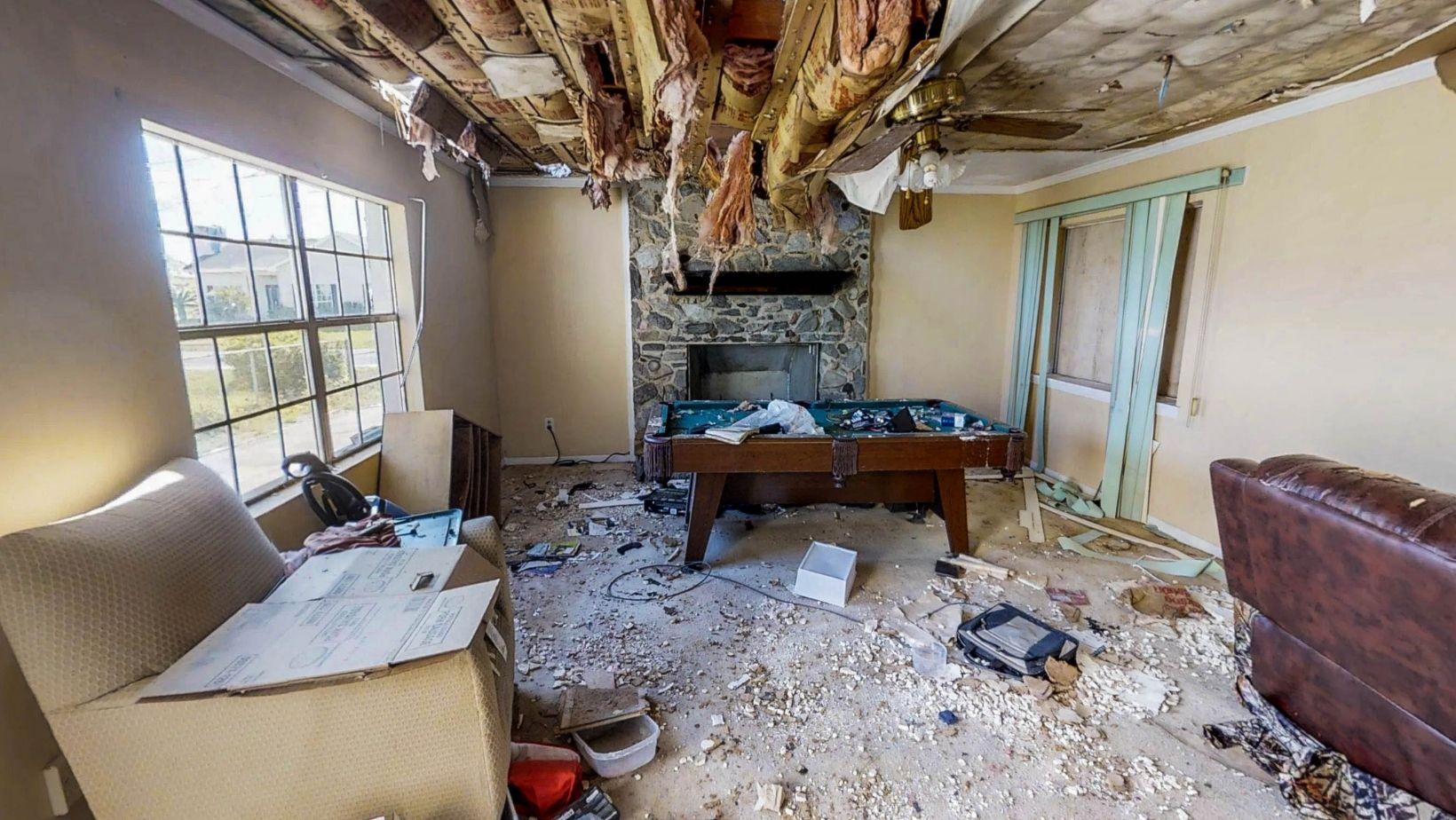
When water gets past a vertical transition, the first thing it hits is your insulation. Fiberglass insulation acts like a giant sponge. It holds the water against your wood framing, which leads to mold and wood rot. By the time the water finally soaks through the insulation and shows up on your drywall, the damage inside the wall is already extensive. You might see a small brown ring on your ceiling, but behind that ring, there could be gallons of trapped moisture and colonies of black mold growing in the dark.
Why Maintenance Prevents Costly Surprises
The best way to handle these issues is to catch them before they become internal problems. This means getting on a ladder or using binoculars to check the caulking around your chimney and wall joints. Look for rusted metal, cracked rubber boots around pipes, or siding that looks like it is pulling away from the roofline. A tube of high-quality sealant or a few new pieces of flashing costs almost nothing compared to the price of replacing rotted studs and ruined drywall inside your home.
Final Word
Ignoring the small gaps where your roof meets a wall is a recipe for disaster. These vertical transitions are the frontline of your home defense against the elements. If you suspect your home has sustained some damage from the last big storm, reaching out to a professional roof repair St. George service is the smartest move you can make. Taking care of these minor openings today ensures that your interior stays dry and your family stays comfortable for years to come.